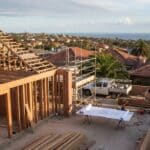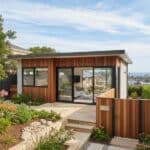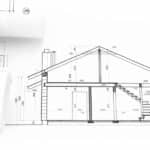

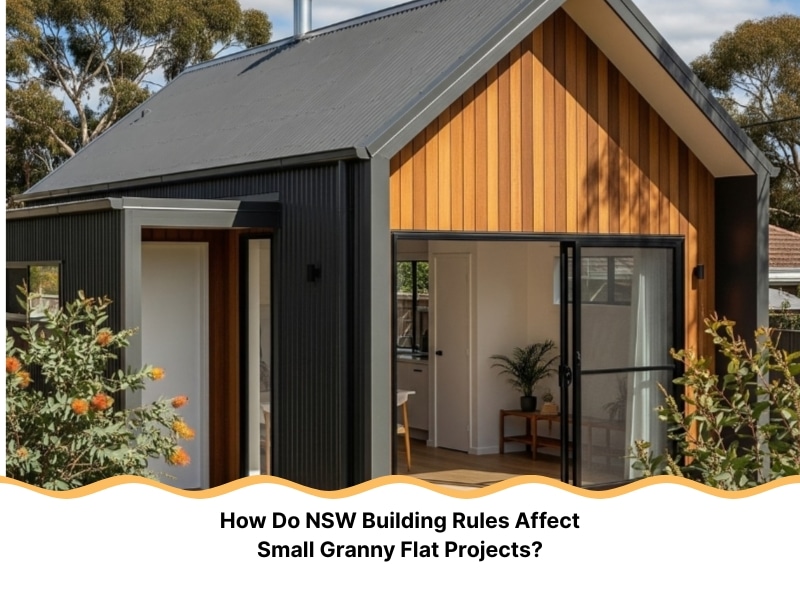
Small granny flat projects bring a mix of excitement and complexity. In New South Wales, a “small granny flat” isn’t just a cute, compact home — it must pass through numerous layers of rules, approvals and design restraints. The NSW building requirements impose constraints on height, setback, plumbing, and structural compliance. Meanwhile, NSW council zoning laws may further restrict where you can build or how large your secondary dwelling can be. If your goal is to deliver an efficient, compliant small granny flat design that enhances multigenerational living in Sydney, you’ll need to navigate all these constraints. Before you start investing in plans or builders, it’s vital to understand how the regulatory environment might shape your small granny flat construction.
What approvals are required to build a small granny flat in NSW?
Before breaking ground, you’ll typically need to go through the granny flat approval process set by the state and your local council. That process often includes:
- Development Application (DA) or complying development certificate (CDC) under NSW building rules, depending on whether your project meets specific criteria
- Construction certificate once the plans are approved
- Inspections during building (structural, waterproofing, etc.)
- Occupation certificate upon completion
Your project may qualify as complying development if it meets all the requirements outlined in the granny flat building regulations, including height, setbacks, and site coverage. If not, a whole DA route may apply. The benefit of the CDC path is usually faster processing, although it is still subject to NSW building codes and Sydney standards for granny flats.
To make this smooth:
- Engage a certifier early to assess whether your design meets “complying” thresholds
- Get preliminary feedback from the council on zoning constraints
- Ensure your structural, plumbing and fire-safety plans are well documented
Delays often arise when your design infringes on granny flat size limits, height restrictions, or other local overlays.
Why do NSW council zoning laws matter for small granny flat construction?

Zoning laws add a second layer of rules on top of state building requirements. Even if your design satisfies building codes in NSW, local zoning may forbid or restrict your build. Zoning considerations include:
- Minimum lot sizes for a granny flat
- Acceptable land uses and secondary dwelling permissions
- Overlays (heritage, flood, bushfire) that impose extra restrictions
- Minimum setbacks and site coverage percentages
If your block falls into a zone that doesn’t permit secondary dwellings, your entire small granny flat project may be refused — regardless of how compliant your plans are. Zoning can also dictate maximum granny flat building regulations that exceed the standard state minimums. It’s common to see local rules being stricter than NSW building requirements. These local laws are also being shaped by government planning reforms for adaptable housing, which aim to improve flexibility and support diverse living arrangements.
To manage this:
- Consult the council’s LEP (Local Environmental Plan) and DCP (Development Control Plan) early
- Investigate any site-specific overlays
- Ask the council for pre‑application advice.
Zoning laws affect not just whether you can build, but also how big and how tall. If your proposed floor area or height breaches zoning limits, even the best small granny flat plans won’t pass muster.
How can site conditions affect the design and compliance of small granny flats?
Your block’s topography, orientation and soil conditions can force design adaptation. These factors have a significant influence on whether your design adheres to granny flat building rules or encounters issues. Consider:
- Slope and retaining wall requirements
- Soil type and foundation suitability
- Access for plumbing, drainage and utility connections
- Orientation (light, ventilation, overshadowing)
- Proximity to services and easements
For instance, a steep site may cause your foundation to rise above acceptable height restrictions — even if the building itself is low. Alternatively, you may need a retaining wall that reduces your usable footprint, which affects the size limits for granny flats.
Ways to mitigate site challenges:
- Adopt split-level or terraced layouts
- Use piers or stumps instead of a full slab in some zones
- Incorporate an efficient small space living design to accommodate irregular footprints
- Work with structural engineers familiar with compliant granny flat designs
Being proactive about site realities ensures that your plans don’t get rejected due to noncompliance or impracticality. You can even borrow ideas from strategic layout decisions for Sydney duplex designs when tackling narrow or sloped blocks.
What design choices help meet NSW size and height limits for small granny flats?
Your design must respect granny flat height restrictions and size limits if you’re to qualify for faster approval processes. Use design strategies like:
- Limiting roof pitch or opting for skillion roofs
- Keeping eaves compact and ridge lines lower
- Reducing maximum wall height where possible
- Efficient layout to minimise overall footprint
- Avoiding mezzanine levels if zone rules forbid vertical expansions
How do professional builders simplify small granny flat approval in Sydney?
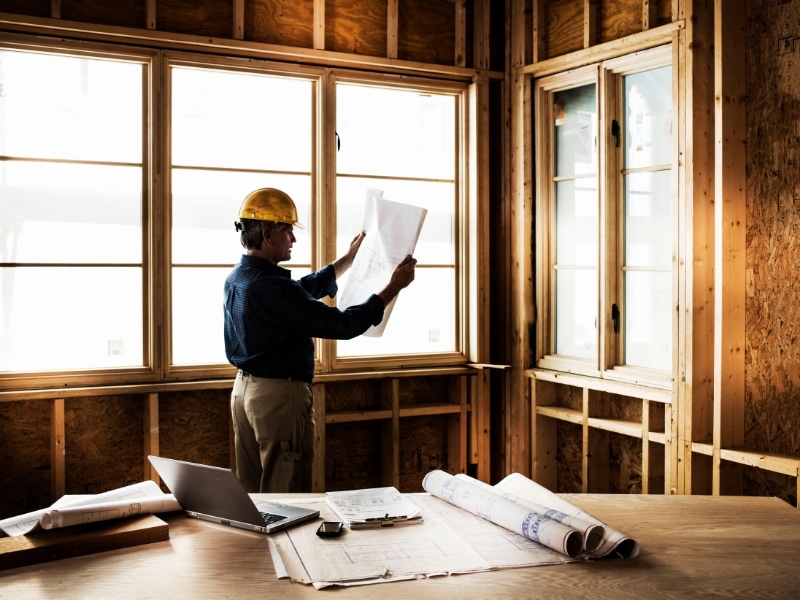
Hiring an experienced builder can reduce the friction of approval, especially when they understand NSW building requirements, council quirks, and the granny flat approval process. Their contribution includes:
- Pre‑empting noncompliance in design
- Liaising with certifiers and council
- Integrating structural, fire, and plumbing compliance early
- Managing documentation and checklist submissions
- Ensuring site works reflect certified plans
When builders specialise in granny flat construction in Sydney, they often know which councils bend or interpret rules favourably, or where design amendments are more likely to be tolerated. They streamline approvals and cut risk. Moreover, they can suggest efficient solutions for building small granny flats that meet NSW rules in early design discussions to avoid costly redesigns. That helps you stay on time and on budget. Builders also coordinate with engineers, certifiers, and contractors to ensure compliance is built in — not added later. That reduces surprises due to building approval issues.
Which modern design solutions meet NSW building codes for small granny flats?
Modern and compact doesn’t mean sloppy — many modern small home ideas align with code. Some effective solutions:
- Open plan spatial layouts with sliding partitions
- Loft storage, built-in furniture, fold-down beds
- Multi-functional areas (e.g. dining/office, lounge/bed)
- Glass walls or highlights to maximise light and reduce bulk
- Sustainable materials, cross-ventilation, passive solar design
These compact home solutions support small granny flat design goals while adhering to compliance requirements. Pairing them with structural precast wall panels or modular systems helps control height, load, and consistency with granny flat building regulations.
Below is a simple comparison of layout approaches:
| Layout Approach | Advantages | Challenges | Best Suited For |
| Linear open-plan layout | Maximises usable space, easier to ventilate and light | Storage can be tricky; limited privacy zones | Flat, narrow blocks or inner-city sites |
| Multi-level split layout | Adapts to slope, separates living and sleeping areas | May exceed height limits; complex drainage | Sloped or uneven terrain |
| Central core layout (utilities centred) | Reduces plumbing costs, keeps services consolidated | May limit flexibility in room placement | Budget-conscious builds or shared family use |
| U-shaped courtyard layout | Great light and ventilation, private outdoor area | Larger footprint, tougher for small lots | Multigenerational setups with shared outdoor use |
A layered layout may work best for tricky sites, provided careful design keeps granny flat height restrictions in check. Also consider modern granny flat layouts that cater to connected family lifestyles, combining privacy with open family interaction in a compliant form. These strategies shift the burden away from brute size toward flexibility, compliance, and livability.
Final thoughts on NSW rules and building your small granny flat
It’s challenging to balance innovation with NSW granny flat regulations — but careful preparation ensures you don’t exceed the law’s limits. Oversights in zoning, height, or site compliance often derail projects. On the other hand, thoughtfully tailored, functional small home layouts and innovative small granny flat construction enable you to deliver comfortable, code-compliant, family-friendly living modules. By teaming up with a builder who knows how building codes in NSW and building approval in Sydney work in practice, you lift much of the burden off your shoulders. You also see fewer costly surprises mid-project. And when design meets compliance with flair, your finished dwelling stands as an attractive, legal, long-term contribution to multigenerational living. Learn how Sydney East Building & Renovations ensures compliant and stylish granny flats.