


Planning a bathroom renovation involves more than choosing tiles and fixtures. You need to consider your budget, functionality, design choices, and how each decision affects the overall outcome. Minor oversights can lead to significant cost or time overruns. A solid renovation strategy means fewer headaches and greater long-term satisfaction. This article explores the key issues you should factor in before renovating a bathroom.
Why does renovating a bathroom so often exceed the budget?
Budget blowouts are one of the most common frustrations in bathroom renovations. Even well-planned projects can run over due to unexpected problems that may be hidden behind walls or under floors.
- Labour costs can spiral when trades need to redo work due to poor coordination and communication.
- Material prices fluctuate — if you haven’t locked in your selections, costs might rise mid-project
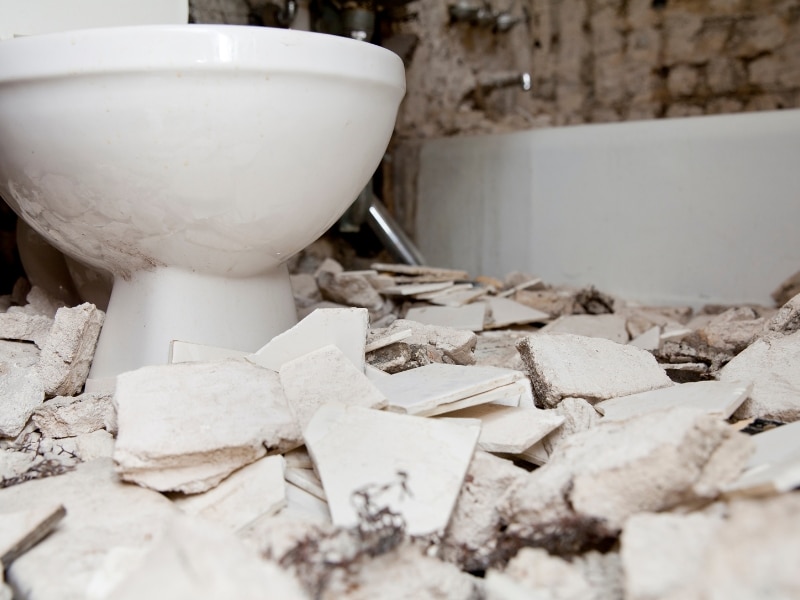
- Hidden issues, such as water damage or outdated plumbing, often emerge once demolition begins.
- Homeowners change their minds mid-build, triggering design changes that aren’t budgeted for
While some surprises are unavoidable, others stem from vague budgeting or underestimating the complexity of tasks. Many people get caught short because they only consider surface-level changes, not what’s underneath. To avoid this trap, it helps to explore reliable solutions for renovating a bathroom efficiently, especially those tailored to your space, timeline, and budget realities.
What are the biggest challenges when renovating a bathroom?
Even small bathrooms come with complex requirements. Tight spaces, strict regulations, and multi-trade coordination all increase the room for error.
- Managing multiple trades — plumbers, electricians, tilers — requires precise timing and communication
- Building codes and waterproofing standards must be adhered to to prevent future damage.
- Unexpected delays from material delivery or trade availability can stall progress.
- Design and practicality don’t always align, especially in older homes
These challenges are more intense if you’re managing the project yourself. A single delay from one trade can push the entire schedule back, resulting in increased costs and stress. If you’re considering this type of project, it helps to understand what can derail renovating a bathroom and how to avoid costly setbacks.
How does poor planning affect a bathroom renovation?
Planning issues often snowball once work begins. Rushing into construction without a detailed plan sets the stage for expensive changes and miscommunication.
- Incomplete layout plans lead to plumbing or electrical issues that require rework.
- Not ordering materials early enough can delay trades who rely on those finishes.
- Ignoring ventilation or lighting needs can make the space less functional or energy-efficient
- Failure to secure permits or inspections can result in compliance issues
In many cases, people focus on aesthetics first and leave critical decisions, such as waterproofing or ventilation, until it’s too late. This approach can mean backtracking or redoing work. You’ll reduce delays and cost overruns by planning home improvements with long-term value in mind and committing to decisions early in the process.
What steps can help you stay on track when renovating a bathroom?
There’s a big difference between reacting to problems and preventing them. Getting ahead of common issues helps keep your renovation timeline and budget on track.
- Finalise the design and materials before work starts, so there are fewer decisions under pressure.
- Schedule trades in logical order to reduce wait times and clashes
- Keep communication flowing with your builder — regular updates reduce misunderstandings
- Maintain a clear checklist so you know what’s been done and what’s next
These steps don’t remove every risk, but they make the process smoother. If you’re not experienced in project coordination, it’s smart to bring in someone who is. You’ll avoid stress and ensure the space works the way you imagined, especially when you can prioritise functionality while renovating a bathroom, rather than getting sidetracked by trends.
Here’s a quick comparison of common bathroom renovation mistakes and how to avoid them:
| Mistake | Consequence | Preventative Measure |
| Rushing layout decisions | Poor plumbing & awkward spaces | Finalise layout before demo starts |
| Choosing finishes too late | Delays & backorders | Order all materials before demolition |
| DIY waterproofing | Leaks and mould | Always hire a licensed professional |
| Skipping ventilation planning | Damp and odour issues | Include a quality exhaust system |
Why do high-quality finishes make a lasting difference?
It’s tempting to save on fixtures and finishes when the budget feels tight. But skimping now often leads to regrets down the track.
- Quality fittings resist rust, wear, and mineral build-up far better than cheaper versions.
- Good tiles and grout last longer without discolouring or cracking
- Well-made cabinetry and hardware won’t warp or corrode in humid conditions
- Precision-installed features like niches and lighting elevate both function and style
While high-end options might seem over the top at first glance, they usually reduce maintenance costs and extend the life of your renovation. Investing once in quality beats replacing poor finishes every few years. It’s the classic case of “buy once, cry once” — spend smart and enjoy a better outcome.
What are the hidden risks of taking on a DIY bathroom renovation?
DIY renovations might seem like a money-saver, but in bathrooms, even minor errors can cause significant issues.
- Waterproofing failures can cause rot or mould that goes undetected for years.
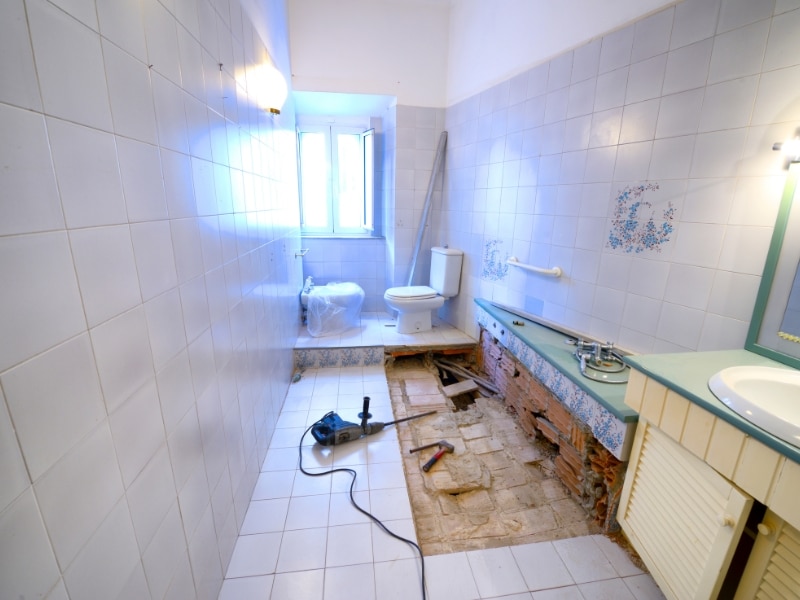
- Plumbing errors may result in leaks, poor drainage, or low pressure — especially if you’re unsure when it’s time to replace your old plumbing pipes before starting the renovation.
- Electrical work done without proper licensing can be dangerous and illegal
- Skipped approvals or inspections can void insurance or resale value
Many people don’t realise that doing this work without a licence might breach building codes. Fixing DIY mistakes later often costs more than hiring a pro in the first place. Unless you’re a qualified tradesperson, you’re better off investing in experienced help than risking costly damage when renovating a bathroom on your own.
How do you maintain the freshness of your renovation results over time?
Finishing your renovation is just the beginning. Long-term care ensures your bathroom remains clean, well-maintained, and in proper working order.
- Use exhaust fans consistently to control humidity and prevent mould
- Seal grout annually to stop water getting behind tiles
- Clean fittings and surfaces with the right products to avoid corrosion or build-up
- Watch for early signs of leaks or damage so you can fix issues before they grow
Consistency matters here — neglecting upkeep can lead to early wear, even in brand-new spaces. You’ll get more life and less stress from your renovation when you treat maintenance as part of the plan from day one. Whether you’re updating a family en-suite or the main bathroom, keep the focus on practical longevity, not just aesthetics.
Final thoughts
Bathroom renovations can be transformative — but only if they’re done right. From early planning to material choice and trade scheduling, every decision shapes your results. Rushing into work or cutting corners often backfires. Instead, take the time to plan, invest in quality, and seek guidance when needed. If you want help navigating this process, discover how Sydney East Building & Renovations can support your renovation needs.